Insights
Expert perspectives on student development, university pathways, and career exploration.
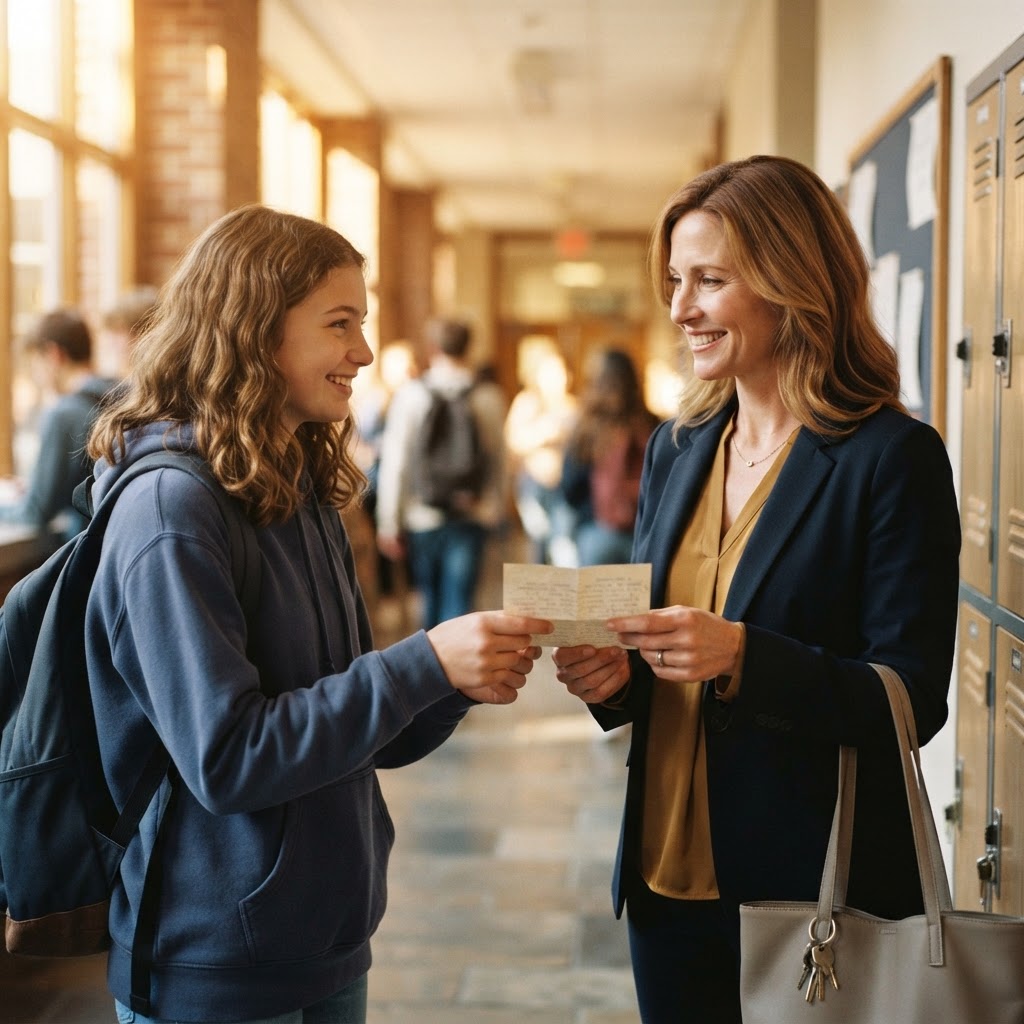
The Gratitude Letter: A Twenty-Minute Exercise for the Last Week of Term
Before term dissolves into exams and holidays, one written page to one person. The evidence on how to word it is unusually specific.

From Participant to Leader: How Extracurriculars and Service Shape Students Who Change the World
Most students join a club for the experience — but the ones who leave transformed are those who discover something far more powerful along the way: themselves. Leadership isn't a title you're handed, it's a muscle you build, and extracurriculars and community service are the gym. Here's how to make every activity count.

Three Good Things: The Smallest Gratitude Practice That Survives Exam Season
November is the month students stop noticing what is going well. One ten-minute nightly habit, tested in randomised trials, was built for exactly this window.
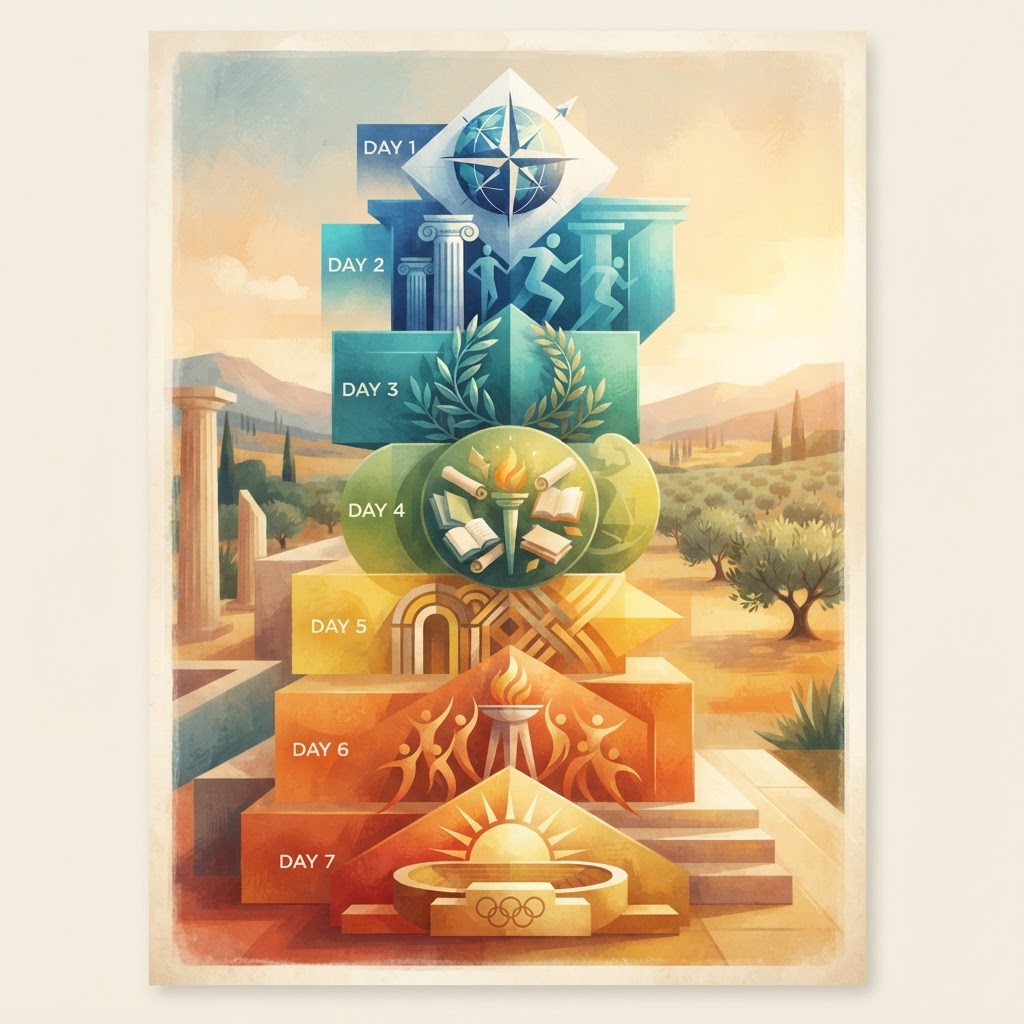
Inside the Global Leadership Journey: A Day-by-Day Look at the International Olympic Academy Experience
Curious about what actually happens during the seven-day Global Leadership Journey in Ancient Olympia? Discover how daily reflections, group challenges, and Olympic values shape this transformative experience for high school students.
Why the Future of Cities—and the Next Decade of Careers—Belongs to People Who Know How to Make Us Stay
Cities have spent decades optimising for peaks and throughput: rush-hour towers on weekdays, fortress stadiums on weekends, dead space in between. Two landmark Gensler 2026 studies show the real currency is dwell time — and that almost nobody is trained to design for it.

Beyond the Finish Line: How Olympic Values Shape Tomorrow's Leaders
In an increasingly complex world, teenagers need more than academic achievements to thrive as future leaders. By looking to the ancient Olympic values of excellence, respect, and friendship, families and educators can help students build a resilient foundation for global citizenship and personal growth.
Beyond Grammar Rules: How to Build Real English Proficiency and Communicate Confidently in a Global World
Every year, students with perfect grammar scores freeze up when it's time to actually speak — in a college interview, on a global internship, or simply when meeting someone from another culture. English proficiency isn't just about knowing the rules; it's about having the courage, strategy, and practice to connect across borders. Here's what that actually looks like, and how you can get there.

From 9-to-5 Foot Traffic to 24/7 Dwell Time: How Gensler's City Pulse 2026 Reshapes Future Careers and Education
Gensler's City Pulse 2026 finds downtowns don't have an awareness problem, they have a lingering problem. That shift is quietly rewriting the careers high schools and universities should be preparing students for.

Sports Compass: Helping Student-Athletes Understand Their Progress
A space to connect training, competition, wellbeing, and personal growth—and have better conversations about what comes next.

AI Is Giving Educators an Identity Crisis—and School Leaders Are Fuelling It
Generative AI can build a unit plan in four minutes. The harder question is what it does to the professional identity of the teachers who spent decades mastering that craft — and what school leaders should do about it.

Preparing Students for a World That Won't Stand Still
Families arrive with real questions about the Dual Diploma, studying abroad, and whether any of it is worth the time and money. Here is how we connect today's school choices with tomorrow's possibilities.

Workforce in Motion: What the McKinsey Global Institute Says About Future Jobs
New McKinsey Global Institute research estimates 11 million US workers may need to change occupations by 2035. What the findings mean for students who study and work across borders.

The Neuroscience of Motivation: What Every Student Needs to Know to Unlock Their True Potential
Why do some students seem to effortlessly push through challenges while others hit a wall and give up — even when they're equally smart? The answer isn't willpower or talent. It's rooted in the science of motivation, and once you understand how it actually works in your brain, everything changes.

AI Is Changing What Students Need From School
Five challenges—and a practical starting point for schools.
The Mirror Before the Map: Why Self-Awareness Is the First Step to Student Success
Before any student can chart a meaningful path forward, they need to understand where they truly stand — not just academically, but as a whole person. Most high-achieving students skip this crucial first step, rushing toward goals without ever asking who they are becoming. What if the most powerful tool for your growth isn't a new study technique or a better planner, but the simple, transformative act of turning inward?

Beyond the Podium: How Olympic Values Can Transform Your Student Into a Resilient, Purpose-Driven Leader
When a 17-year-old gymnast falls during her Olympic routine and gets back up to finish with grace, she's demonstrating something far more powerful than athletic skill — she's living out a set of values that can shape an entire lifetime. The Olympic ideals of excellence, respect, and friendship aren't just for elite athletes; they're a blueprint for how any student can build unshakeable character and resilience. Here's how to bring those values off the world stage and into your child's everyday life.
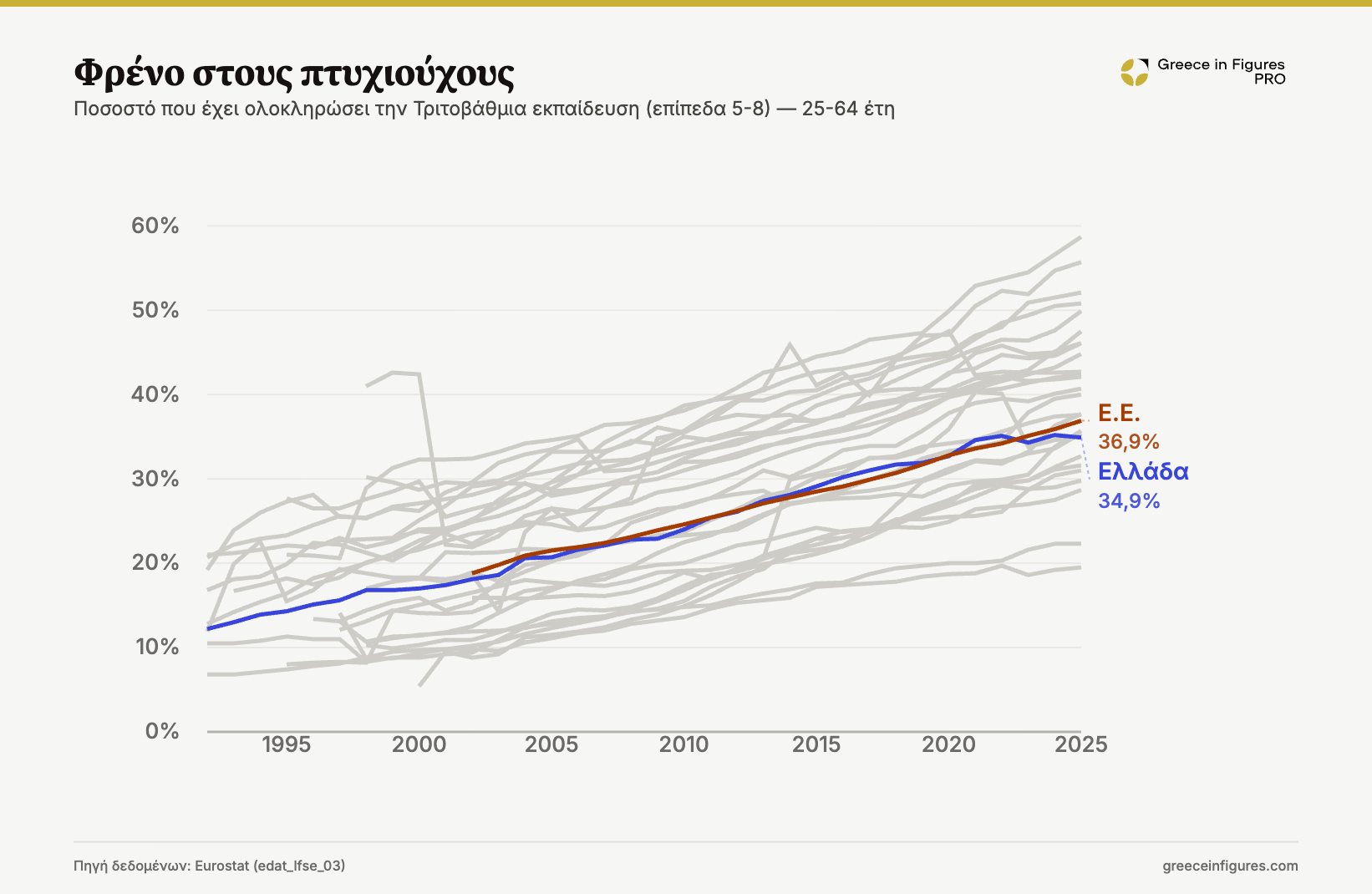
Η Ελλάδα μένει πίσω στην τριτοβάθμια εκπαίδευση
Η Ελλάδα μένει πίσω στην τριτοβάθμια εκπαίδευση: το ποσοστό πτυχιούχων πέφτει, οι νεοεισερχόμενοι μειώνονται και η δαπάνη ανά φοιτητή είναι η χαμηλότερη στην Ε.Ε.

Beyond Rankings: How to Choose the Right University Country and Program for the Life You Actually Want
Every year, thousands of bright students pick universities based on prestige lists and peer pressure — and quietly regret it by sophomore year. Choosing where and what to study is one of the most personal decisions you'll ever make, and getting it right means looking inward before you ever look at a brochure. Here's the framework that changes everything.

Beyond Grammar Rules: How Students Can Develop Real English Proficiency and Communicate Confidently in a Global World
When 16-year-old Maya froze during her first international Model UN conference, it wasn't because she didn't know the words — it was because nobody had ever taught her how to truly communicate. Developing English proficiency in today's world means far more than passing tests; it means finding your voice across cultures, screens, and borders. Here's what students, parents, and educators need to know to make that happen.

Beyond the Podium: How Olympic Values Can Transform the Way Your Student Faces Challenges
When 16-year-old gymnast Suni Lee stepped onto the Olympic floor in Tokyo, she wasn't just competing for a medal — she was honoring a journey marked by family tragedy, self-doubt, and relentless perseverance. The Olympic values of Excellence, Respect, and Friendship aren't reserved for elite athletes; they're a powerful framework that can help every high school student build unshakeable character and resilience. If you've ever wondered how to help your student rise after failure, find purpose in the grind, or treat competitors with grace, this article is your guide.

Beyond the Podium: How Olympic Values Can Transform Your Teen's Character and Resilience
Every four years, the world watches athletes push the boundaries of human potential — but the real Olympic story isn't about gold medals. It's about the values forged through years of struggle, setbacks, and unwavering commitment that turn ordinary young people into extraordinary humans. Discover how your student can harness these same Olympic principles to build unshakeable character, resilience, and purpose — starting today.

Beyond Rankings: How to Choose the Right University Country and Program for Who You're Becoming
Every year, thousands of students pick universities based on prestige lists and parental pressure — only to find themselves miserable, unmotivated, or studying something that was never really theirs. Choosing where and what to study abroad is one of the most consequential decisions of your young life, and it deserves far more than a Google search. Here's how to make a choice you'll still feel proud of ten years from now.

From Acceptance Letter to Graduation Day: A Family's Complete Guide to Funding University Without the Financial Panic
The moment your child gets that university acceptance letter should be one of pure joy — but for millions of families, it's immediately shadowed by one terrifying question: how are we going to pay for this? With the right financial literacy roadmap, you can transform that anxiety into a confident, well-executed plan that protects your family's future while launching your student's dreams.

SAT and ACT Strategies That Actually Move the Needle
Most students spend months 'studying' for the SAT or ACT and still walk out of the testing room feeling blindsided — not because they aren't smart, but because they're preparing the wrong way. The difference between a mediocre score and a remarkable one isn't raw intelligence; it's strategy, self-awareness, and a preparation plan built around how *you* actually learn. In this guide, we'll show you exactly what works — and why.
How to Choose the Right University Country and Program for the Life You Actually Want
Every year, thousands of bright students pick universities based on prestige lists and parental pressure — only to arrive and realize the fit was never right. Choosing where and what to study abroad is one of the most powerful decisions of your teenage years, and it deserves far more than a Google search. Here's how to make a choice that aligns with your goals, your values, and the future you're genuinely excited to build.

From Overwhelmed to 1400+: SAT and ACT Strategies That Actually Move the Needle
Every year, thousands of students sit down for the SAT or ACT feeling underprepared — not because they aren't smart, but because they studied hard without studying smart. The difference between a good score and a great score isn't raw intelligence; it's knowing exactly which strategies to deploy and when. In this guide, we're breaking down what actually works, backed by research and years of real student success stories.

The University Money Map: A Family Guide to Planning and Paying for Higher Education Without the Financial Panic
The moment a high school student starts dreaming about university, a quiet financial countdown begins — and most families don't realize it until they're already behind. With tuition costs rising faster than inflation and student debt reaching record highs, financial literacy isn't just helpful for university planning — it's essential. This guide will walk your family through everything you need to know, from grade 8 onward, to make higher education an exciting chapter rather than a financial crisis.
How to Build Real English Proficiency and Thrive in a Global World
Imagine sitting across from a university interviewer in London, a future employer in Singapore, or a research partner in São Paulo — and having the confidence to say exactly what you mean. English proficiency isn't just about grammar rules or vocabulary lists; it's the single most powerful tool a young person can carry into adulthood, and the good news is that building it genuinely is more achievable — and more exciting — than most students realize.

Beyond Busy: How High-Achieving Students Can Work Smarter, Not Just Harder
High-achieving students are often the busiest people in the building — but being busy isn't the same as being effective. If your student is drowning in AP courses, extracurriculars, and college prep while still feeling behind, the problem probably isn't effort — it's strategy. Here's what the research says, and what actually works.

How the Right Mentor Can Change Everything for Your Student
When a quiet ninth-grader named Marcus met his school's robotics coach, he had no idea that one conversation would redirect the entire trajectory of his life. Research confirms what educators have known for decades: mentors and role models don't just inspire students — they fundamentally rewire how young people see themselves and what they believe is possible. Here's what the science says, and how your student can harness this power right now.
The Science of Motivation: What Every Student Needs to Know to Unlock Their True Potential
Why do some students seem to effortlessly push through challenges while others stall at the first sign of difficulty — and what does brain science actually say about the difference? The answer isn't talent, luck, or even intelligence. It's motivation, and the remarkable news is that it's a skill you can learn, build, and harness on purpose.

Readiness
The New Frontier in Education

Beyond the Classroom
When 16-year-old Maya returned from her semester abroad in Japan

From the Bleachers to the Field
Your Complete Roadmap to NCAA Athletic Opportunities

The Mentor Effect
How the Right Role Models Can Transform a Student

A Smart Guide to Career Exploration
Step-by-step approach to uncovering your strengths, passions, and possibilities

Celebrating Maria Papasavva
News article celebrating Maria Papasavva as the first Columbia School graduate in Greece and her next step at IE University.

The Algorithm
Article presenting academic planning as an optimization problem involving admissions odds, scholarships, credits, burnout risk, and integrity risk.

Πέρα από τους Βαθμούς
Γιατί οι βαθμοί λένε μόνο ένα μέρος της ιστορίας: κίνητρα, αυτορρύθμιση, συναισθηματική ασφάλεια και ταυτότητα ως τα πραγματικά θεμέλια της ανάπτυξης.

Increasing Returns of Scale
Article on scale effects, productivity, and how education systems/platforms can compound value as participation grows.

Ανταγωνισμός για Περιορισμένες Θέσεις Πανεπιστημίων
Greek article on competition for limited university seats and the importance of stronger academic planning and international options.

Νέα Πραγματικότητα
Greek article on the new reality facing students, families, education systems, and the need for adaptive learning pathways.

Power of Connection
Article on connection, student relationships, mentoring, and community as drivers of growth and opportunity.

The Yield Effect
Article explaining admissions yield, multi-university applications, scholarships, and strategic leverage in university admissions.

Inspiration Begins with Connection
Article on how connection, mentorship, and student community can inspire motivation and meaningful learning.

The College Essay
Guide-style article on writing a strong college essay through authentic storytelling, reflection, specificity, and voice.

Ελληνες αθλητές κατακτούν τις υποτροφίες των ΗΠΑ
Greek article on Greek student-athletes, U.S. scholarships, athletic pathways, and academic planning.

Who Will Take Your Job in the Future?
Careers article on automation, AI, future work, and how students should prepare for shifting job-market demands.

Expanded Scholarships
Article on expanded scholarship opportunities and the financial/access value of Columbia School pathways.

School Partners
Article describing school-partner positioning and the local-to-global value of Columbia School/HGS partnerships.

Δεξιότητες Έναντι Παραδοσιακών Πτυχίων
Greek article contrasting skills-based education with traditional degrees.

Η προτροπή
Greek article on AI prompting as a modern art of questioning, connecting classroom AI use with Socratic dialogue and critical thinking.

Aerodynamics
The history of human flight and aerodynamics as an analogy for building coherent Olympic education systems.

Intelligence
Article on AI, ERP fragmentation, Growth Compass, productivity, advising workflows, and education operating systems.

From English Testing to Learning Skills
Article positioning English assessment as a broader readiness and opportunity tool for international education and employability.

From International Events to Structured Learning Journeys
Article arguing that global student events should evolve into structured learning journeys with preparation, reflection, portfolios, and continuity.
AP (Advanced Placement) Courses
Greek/English article explaining AP courses, exams, university recognition, dual-credit alternatives, and planning implications for students.

Πυξίδα Ανάπτυξης
Greek article on the Growth Compass as a tool for understanding student motivation, autonomy, learning preferences, and future direction.

Growth Compass
English article on the Growth Compass, motivation, self-regulation, emotional safety, meaning, and holistic student guidance.

An Uber for Education
Article about platform models, teacher micro-ownership, and new education delivery structures.

A Cross-Sector Growth Architecture
Article on education as a cross-sector growth architecture connecting sports, youth development, trust, AI, and ecosystem design.
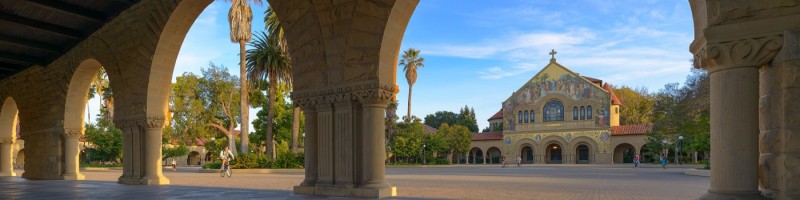
Πώς μια μαθήτρια από την Ξάνθη έφτασε στο Stanford με πλήρη υποτροφία
Greek case-study article on how a student from Xanthi built a multidimensional profile and earned Stanford admission with full funding.
Agentic Education
Article on how schools, parents, and teachers face rising complexity, and how AI-supported systems can reduce friction and improve decision-making.

Κλειδωμένη Πόρτα
Greek article using the taxi-license economy as a metaphor for locked opportunity, asset ownership, labor pressure, and structural reform.

Η ιστορία με την οποία μεγαλώσαμε
Greek article on globalization, resilience, supply chains, AI, and the need for schools to teach practical readiness for uncertainty.

Αυτογνωσία & Πρώιμη «Κλήση»
Greek article on self-knowledge, early calling, student clubs, and the role of community in discovering future direction.

Κριτική Aποδόμηση
Greek article on digital-media literacy, critical decomposition, AI-era judgment.

AI για Γονείς
Greek parent-facing article explaining why AI literacy matters for future readiness.

Περί Οδοντιατρικής
Greek article on dentistry pathways in Europe and the U.S., IMAT/AP planning, and a multi-year preparation plan for Greek students.

Ένα νέο εκπαιδευτικό συμβόλαιο
Greek policy-style article on Greece's education pipeline and the need for coordinated reform.

IOA & HGS Announcement
The International Olympic Academy (IOA) and Hudson Global Scholars (HGS) signed an agreement to expand awareness about the origins and philosophy of Olympism.

Announcement
Announcement on the International Olympic Academy and Hudson Global Scholars agreement to expand Olympism and Olympic values education.

Το Μέλλον Ξεκινά στην Τάξη
Greek article on the workforce-readiness gap, soft skills, digital readiness, and the role of secondary education in employability.

Ζυγίζοντας Επιλογές
Greek article comparing dual diploma value, international credit courses, counseling costs, and scholarships.

Κύματα από τη Ρόδο
Τα Εκπαιδευτήρια «ΡΟΔΙΩΝ ΠΑΙΔΕΙΑ» ανακοινώνουν ένα νέο πρόγραμμα καθοδήγησης που συνδέει μαθητές με Έλληνες φοιτητές σε κορυφαία πανεπιστήμια σε όλο τον κόσμο.

Κύματα απο τη Ρόδο
Bilingual Greek/English article on a Rodion Paideia mentorship initiative connecting Columbia School students with Greek Ivy League mentors.

Athenian Citizenship
Article connecting Athenian citizenship, democratic principles, dialogue, critical thinking, and modern civic education.

Global Citizens
Article comparing dual diploma students with peers in global proficiency, productivity, collaboration, and career readiness.

Creativity Meets Technical Expertise
Article on digital media, storytelling, creative industries, technical production skills.

The Podcasts Phenomenon
Article on podcast growth, listener behavior, media-consumption shifts, and why podcasts matter as a modern content format.

Transforming Healthcare on Greek Islands
Article on healthcare access and transformation for Greek islands, connecting career pathways, local needs, and future health systems.

Studying Abroad
Article on why international students study abroad and how global education can affect mobility, employment, and long-term opportunity.

Συνεργαζόμενα πανεπιστήμια του Columbia School
Greek article outlining Columbia School partner universities and examples of available study areas and academic pathways.

Solving Tomorrow's Problems Today
Article mapping future global challenges to courses and degrees.

Foundation models
Article on foundation models and generative AI as tools for improving university recommendations and student advising.

Education in Greece
Article on public/private education in Greece, rural-urban disparities, education policy, funding, teacher training, and VET recommendations.

A Young Archer's Quest for Greatness
Student story about Daniel Jimenez, archery, balancing academics and training, English development, and Olympic values.

How to Get into Medical School with a Columbia Online High School Diploma
Guide article on medical-school pathways in the U.S. and Europe for students with a Columbia online high school diploma.

Onboarding Process for International School Partners
Operational article listing the school partner onboarding process from agreements to course launch.
Join Columbia School
Sign in to access assessments, course planning, and personalized university guidance.
CommunityFrom Participant to Leader: How Extracurriculars and Service Shape Students Who Change the World
Most students join a club for the experience — but the ones who leave transformed are those who discover something far more powerful along the way: themselves. Leadership isn't a title you're handed, it's a muscle you build, and extracurriculars and community service are the gym. Here's how to make every activity count.
The Moment Everything Changed
Marcus was a quiet sophomore who signed up for his school's environmental club mostly because his best friend dragged him to the first meeting. He sat in the back, said little, and figured he'd show up a few times and move on. But three weeks in, the club advisor asked if anyone wanted to coordinate the school's Earth Day event. No one raised a hand. After an uncomfortable silence, Marcus — almost surprising himself — said, "I'll try."
What followed was messy, humbling, and occasionally chaotic. He had to email local businesses for donations, manage a team of twelve students who didn't always agree, and present the plan to the principal. The event wasn't perfect. One of the speakers canceled last minute, and the recycling station ran out of bags by noon. But over 200 students showed up, local news covered the story, and Marcus stood at the center of something he had built.
By senior year, Marcus was the club president, had launched a city-wide composting initiative, and was writing college essays not about grades or test scores — but about leadership, failure, growth, and purpose. His story isn't unique. It happens every day in schools across the country. The question isn't whether extracurriculars and service can build leaders. The question is: are students — and the adults who support them — approaching these opportunities with enough intentionality to let that transformation actually happen?
Why Extracurriculars Are a Leadership Laboratory
Classrooms are essential, but they operate within constraints. There are right answers, fixed curricula, and grades that measure performance on a narrow spectrum. Extracurriculars, by contrast, are spaces of genuine complexity — where students encounter ambiguous problems, conflicting personalities, limited resources, and real stakes.
This is precisely why they're so valuable for leadership development. Research from the Harvard Graduate School of Education consistently points to "purposeful activity" outside the classroom as a critical driver of adolescent identity formation. When students take on roles in clubs, teams, student government, theater productions, or service organizations, they're not just filling time. They're practicing the fundamental skills of adult life: communication, collaboration, conflict resolution, time management, and resilience.
The Difference Between Joining and Leading
Here's a distinction worth making clearly: simply participating in an extracurricular activity builds experience. Leaning into leadership within that activity builds character. Students and parents sometimes fall into the trap of thinking that a long list of activities is what colleges want or what employers value. But depth beats breadth — almost every time.
Encourage students to ask themselves: Am I just showing up, or am I showing up with intention? Taking initiative on a project, mentoring a newer member, organizing a fundraiser, or proposing a new direction for the group — these are the moments that create real growth. Even a student who isn't the club president can lead by example, by initiative, and by service.
Service Learning: The Accelerator of Empathy and Responsibility
If extracurriculars are the laboratory, community service is the field. And there's a critical difference between service done to a community and service done with a community. The most transformative service experiences are those in which students form genuine relationships, understand root causes, and see themselves as partners rather than helpers from above.
Consider the difference between a student who spends a Saturday picking up trash in a park (valuable, but transactional) versus a student who volunteers weekly at a food pantry, gets to know the families who come in, and eventually proposes a fresh produce partnership with a local farm. The second student isn't just doing more hours — they're developing systemic thinking, relationship skills, and a sense of civic agency that will define how they engage with the world for the rest of their life.
How to Make Service Meaningful
For students looking to deepen their service work, here are three guiding principles:
1. Commit to consistency. One-time service events have their place, but consistent engagement with a single organization allows students to build relationships, understand the mission more deeply, and eventually take on more responsibility. Aim for a minimum of one semester of regular involvement before adding new commitments.
2. Reflect actively. The difference between service and service learning is reflection. After each session, students should spend five minutes journaling: What did I observe? What surprised me? What would I do differently? This habit builds metacognitive awareness — the ability to think about your own thinking — which is a hallmark of strong leaders.
3. Connect the work to a larger issue. Help students understand the structural context of the causes they're serving. A student tutoring kids in an under-resourced neighborhood becomes a more effective advocate — and a more compelling future applicant or employee — when they understand the history of educational inequity that created the need in the first place.
Practical Strategies for Students: Building Your Leadership Story
Leadership doesn't require a formal title. Here's a roadmap any student in grades 8–12 can follow:
Start early and think long-term. Eighth and ninth graders have a tremendous advantage: time. Rather than scrambling to bulk up a résumé in senior year, students who explore interests early and commit deeply have the opportunity to grow into genuine leadership roles by junior or senior year. That trajectory — from curious newcomer to experienced leader — is exactly the kind of narrative that resonates with colleges and future employers.
Pursue genuine interest, not résumé padding. Students can tell when they're in something for the wrong reasons — and so can everyone else. Authenticity is magnetic. Advisors notice the student who lights up when talking about the robotics team. Colleges notice the essay that radiates real passion. When students choose activities they actually care about, leadership tends to emerge naturally.
Take on stretch assignments. Volunteer to run a meeting. Propose a new initiative. Take responsibility for something that makes you slightly nervous. Growth lives just outside the comfort zone, and students who regularly take on challenges slightly beyond their current skill level develop confidence that compounds over time.
Build relationships across the organization. Effective leaders don't just manage up (to advisors and teachers) — they invest in their peers. A student who makes time to mentor younger members, recognize a teammate's contribution, or mediate a conflict between peers is already practicing the relational intelligence that defines exceptional leadership.
A Note for Parents: How to Support Without Overstepping
Parents play a crucial role in this journey — but that role is best played from the sideline, not the field. The instinct to clear obstacles, advocate loudly, or steer students toward "impressive-sounding" activities is understandable, but it often robs students of the very experiences that build resilience and self-direction.
The most powerful thing a parent can do is ask great questions. Not "How did it go?" but "What was the hardest part?" Not "Are you the leader yet?" but "What did you learn about yourself this week?" These questions communicate trust, signal that struggle is normal, and help students develop the narrative intelligence to make meaning of their own experiences.
Also worth remembering: a student who tries an activity and decides it's not for them hasn't failed. They've practiced discernment. That's a leadership skill too.
The Bigger Picture: What Leaders-in-Training Carry Forward
Here's what's remarkable about the students who throw themselves fully into extracurriculars and service during high school: they don't just become better applicants. They become better people — and eventually, better professionals, neighbors, parents, and citizens.
The student who learned to run a meeting at 16 doesn't forget how to listen. The student who organized a food drive at 17 doesn't lose the instinct to look for need and respond. The student who made a mistake as a club president and owned it publicly carries that humility into every future role they hold.
Leadership formed through real-world engagement — with all its mess and uncertainty and growth — is durable in a way that no classroom lesson can fully replicate. High school is not just preparation for life. For many students, it is life — vibrant, urgent, and full of possibility. The goal is to live it with intention.
So whether you're a student wondering if you should raise your hand, a parent encouraging a reluctant teenager to get involved, or an educator looking to cultivate the next generation of changemakers — the message is the same: start now, go deep, and trust the process.
The world needs leaders who were shaped by service. Help them find their way.
Key Takeaways
- Depth over breadth: One activity pursued with genuine commitment and growing responsibility is more valuable — personally and professionally — than a long list of surface-level involvements.
- Leadership is a practice, not a title: Students can lead through initiative, mentorship, and example long before they hold a formal position.
- Service becomes transformative when it's consistent and reflective: Regular engagement and active reflection turn volunteer hours into genuine leadership development.
- Parents support best by asking good questions: Trust, curiosity, and space to struggle are more valuable than clearing every obstacle or steering every choice.
- Early investment pays compounding dividends: Students who explore and commit in grades 8–9 have the runway to grow into meaningful leadership roles by junior and senior year.
- Character formed through real-world challenges is durable: The skills, habits, and values built through extracurriculars and service don't stay in high school — they travel forward into everything a student becomes.
Continue your own path with Growth Compass
Create a free account to map your student's growth, explore university pathways and get personalised guidance.